
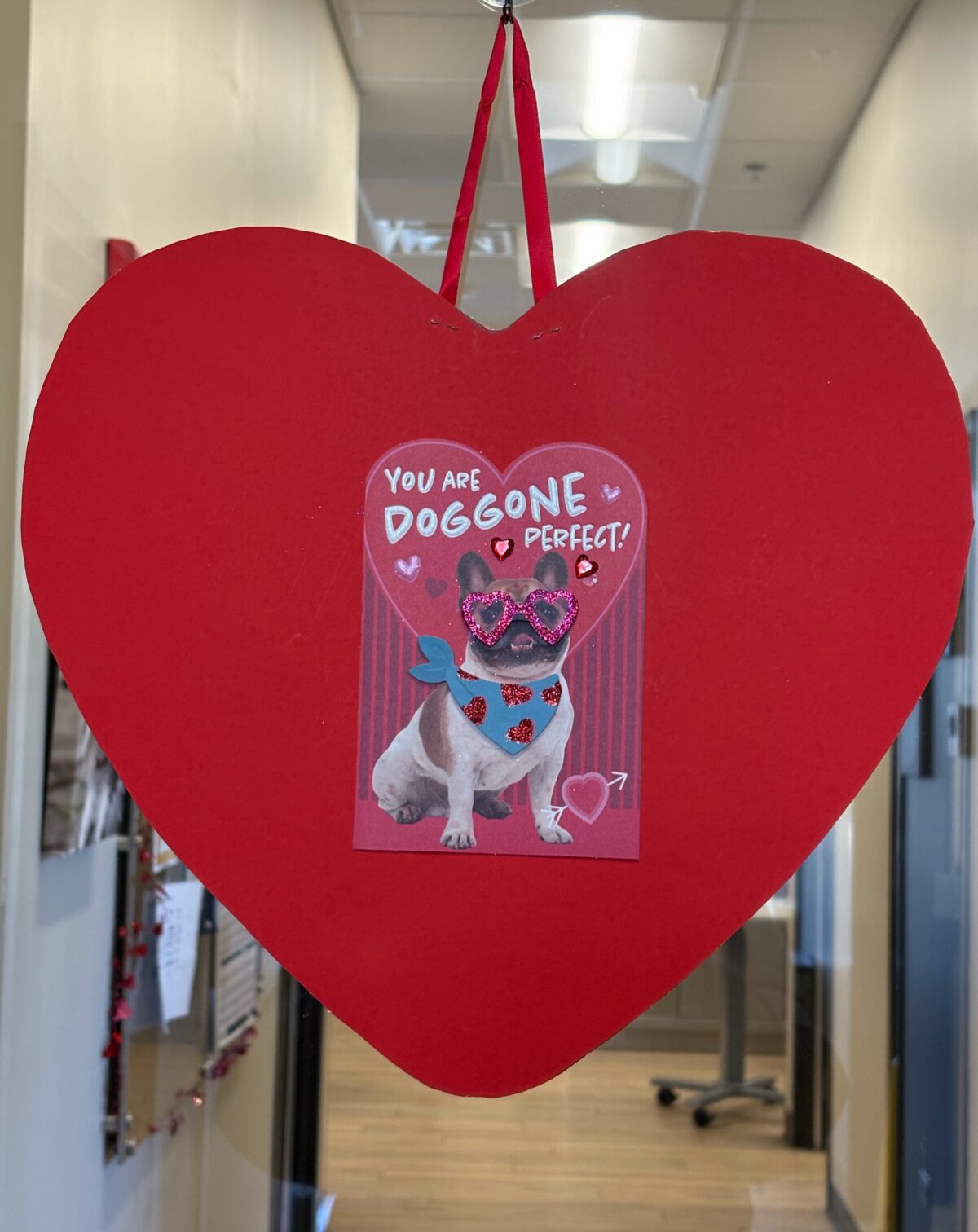
Valentine’s Day is all about love, connection… and chocolate.
But for dogs, chocolate is not a treat—it’s a toxin.
Every February, veterinary hospitals see an increase in emergency visits related to chocolate exposure. The good news? Many of these situations are preventable—and even when accidents happen, knowing what to do early can make all the difference.
Let’s break it down so you can enjoy the holiday and keep your pets safe.
🍫 Why Is Chocolate Toxic to Dogs?
Chocolate contains theobromine and caffeine, two stimulants that dogs cannot metabolize efficiently. These compounds stay in a dog’s system much longer than in humans, allowing levels to build to dangerous—and sometimes life-threatening—amounts.
The darker the chocolate, the higher the risk:
-
White chocolate → lowest risk (still not recommended)
-
Milk chocolate → moderate risk
-
Dark / semi-sweet chocolate → high risk
-
Baking chocolate & cocoa powder → extremely dangerous
Even small amounts can be harmful, especially for small dogs or dogs with underlying health conditions.
🚨 Signs of Chocolate Toxicity
Symptoms can begin 6–12 hours after ingestion and may include:
-
Vomiting or diarrhea
-
Restlessness or pacing
-
Increased heart rate
-
Tremors or muscle rigidity
-
Seizures
-
Collapse
⚠️ Chocolate toxicity can worsen over time—waiting “to see how they do” is not recommended.
⏱️ What To Do If Your Dog Eats Chocolate
If you suspect or know your dog has ingested chocolate:
1️⃣ Don’t panic—but don’t wait
Time matters. Early intervention can prevent absorption and reduce severity.
2️⃣ Call a professional right away
Depending on the situation, this may include:
-
Your primary veterinarian
-
An emergency veterinary hospital
-
Pet Poison Helpline (24/7 guidance)
Have this information ready:
-
Type of chocolate
-
Estimated amount eaten
-
Your dog’s weight
-
Time of ingestion
3️⃣ Do not induce vomiting at home
This can be dangerous without professional guidance.
🧠 Prevention Is Part of Proactive Care
We recommend:
-
Storing Valentine’s candy out of reach
-
Reminding guests (and kids!) not to share sweets
-
Choosing dog-safe Valentine treats instead
💡 Love doesn’t come in foil wrappers for dogs—it comes in safe choices, enrichment, and preventative care.
❤️ If You’re Ever Unsure—Lean on Us
Emergencies are stressful. Our role is not just to treat pets, but to support the people who love them.
If you’re ever unsure whether something is dangerous, reach out early. Questions are always welcome—especially when they help keep pets safe.
Helpful Resources
-
Pet Poison Helpline (24/7): petpoisonhelpline.com
-
ASPCA Animal Poison Control Center
-
Your local emergency veterinary hospital